
The Roles of Monitoring and Research at the Birch Creek Project
Long-term Monitoring
Monitoring is the continuous, data-driven observation of ecological change over time.
At Birch Creek, monitoring allows us to track how rewilding with horses affects landscapes, wildlife,
and ecosystem processes. These insights are essential to demonstrating the ecological role and value of
rewilded horses on the landscape.
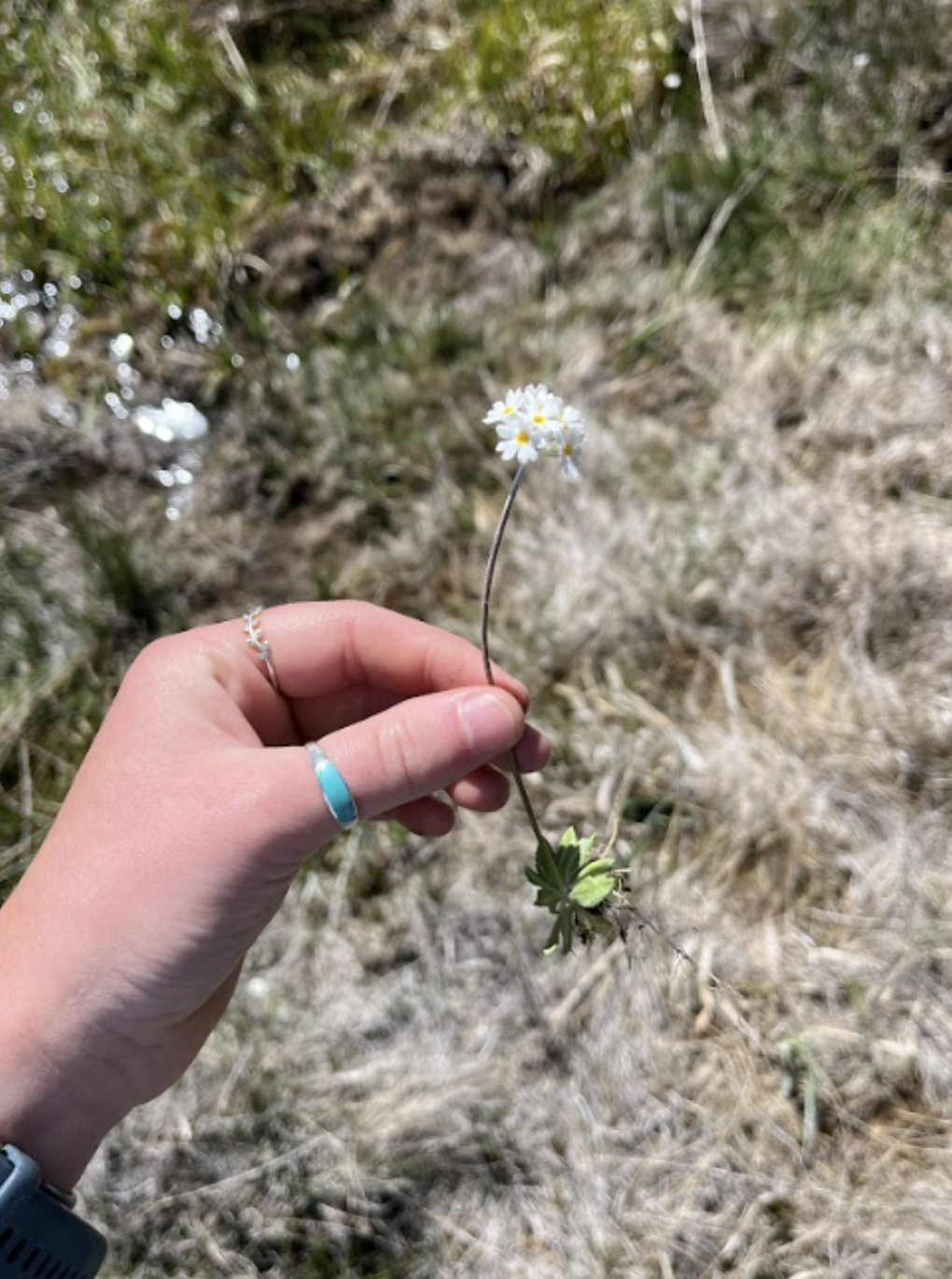
Rare endemic primrose found in the Birch Creek Valley.Monitoring allows us to:
• Communicate results to funders, scientists, agencies (such as the Bureau of Land Management), and the public
• Measure the effectiveness of actions like rewilding horses, restoring streams, or removing fences
• Adapt and improve our strategies over time using real-world data (adaptive management)
• Ensure that what we do is not just hopeful—but measurable, scalable, and grounded in ecological science
Our science-based monitoring includes:
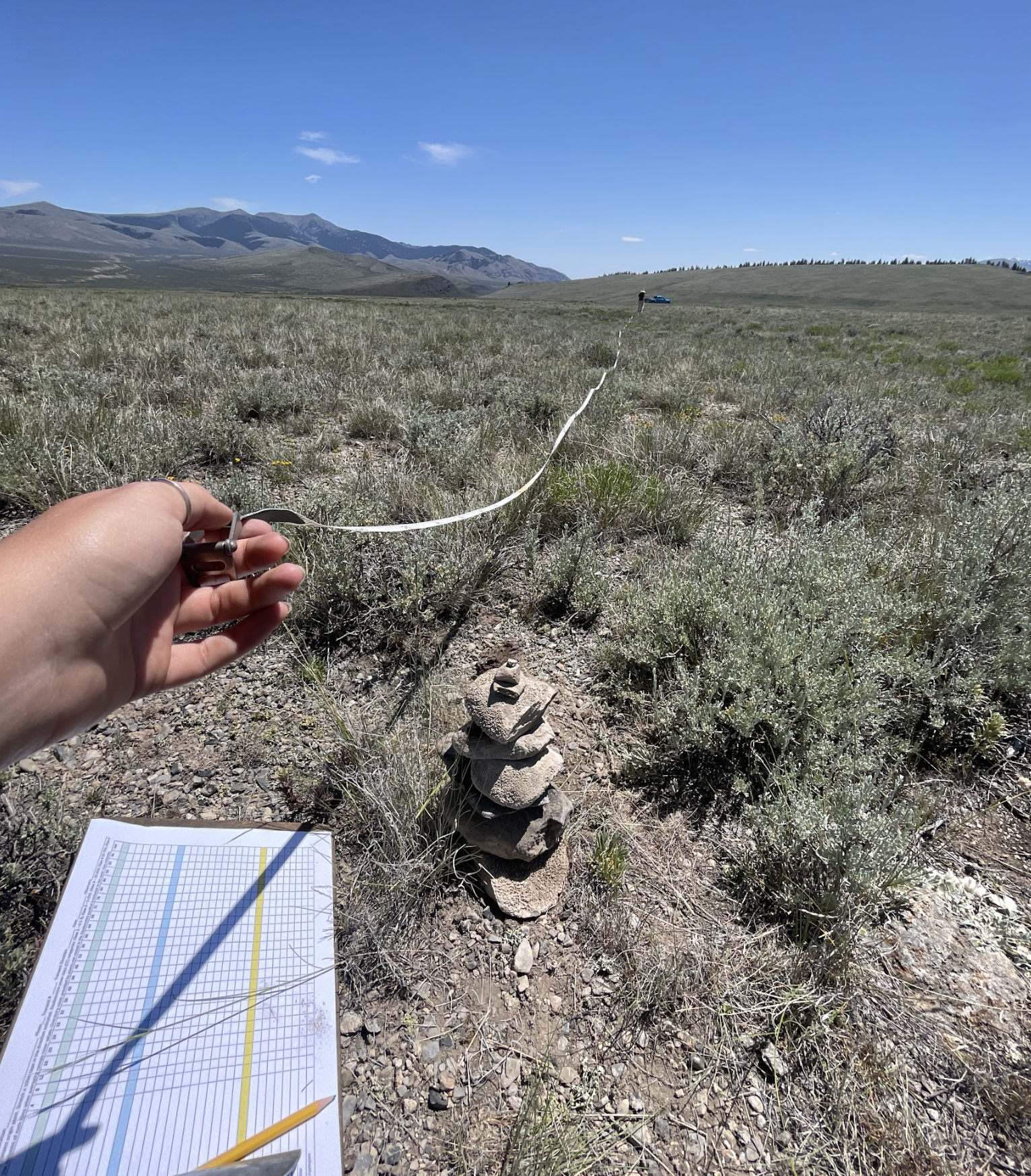
• Vegetation transects to measure range health and plant diversity
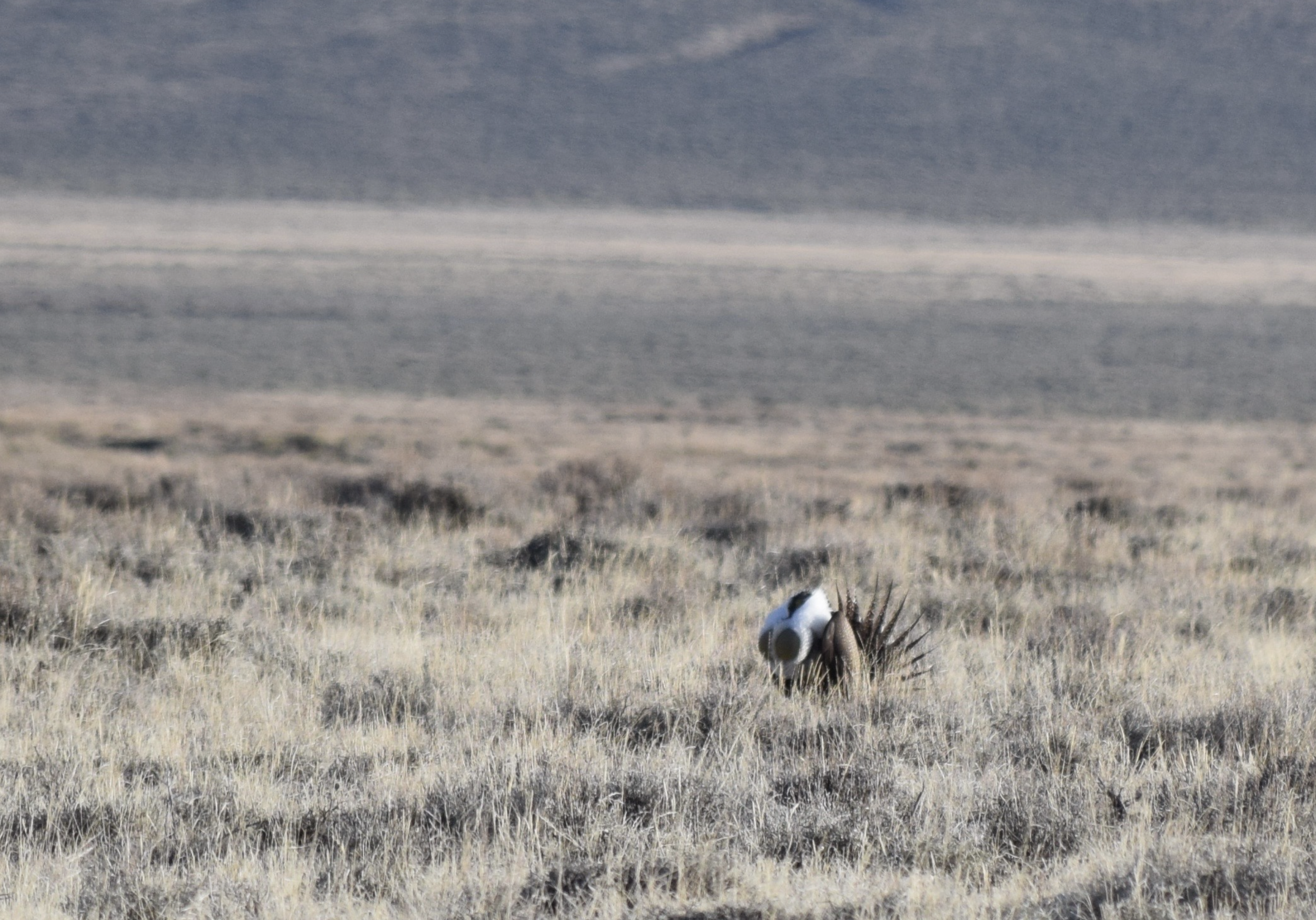
• Breeding bird surveys as indicators of overall ecosystem health
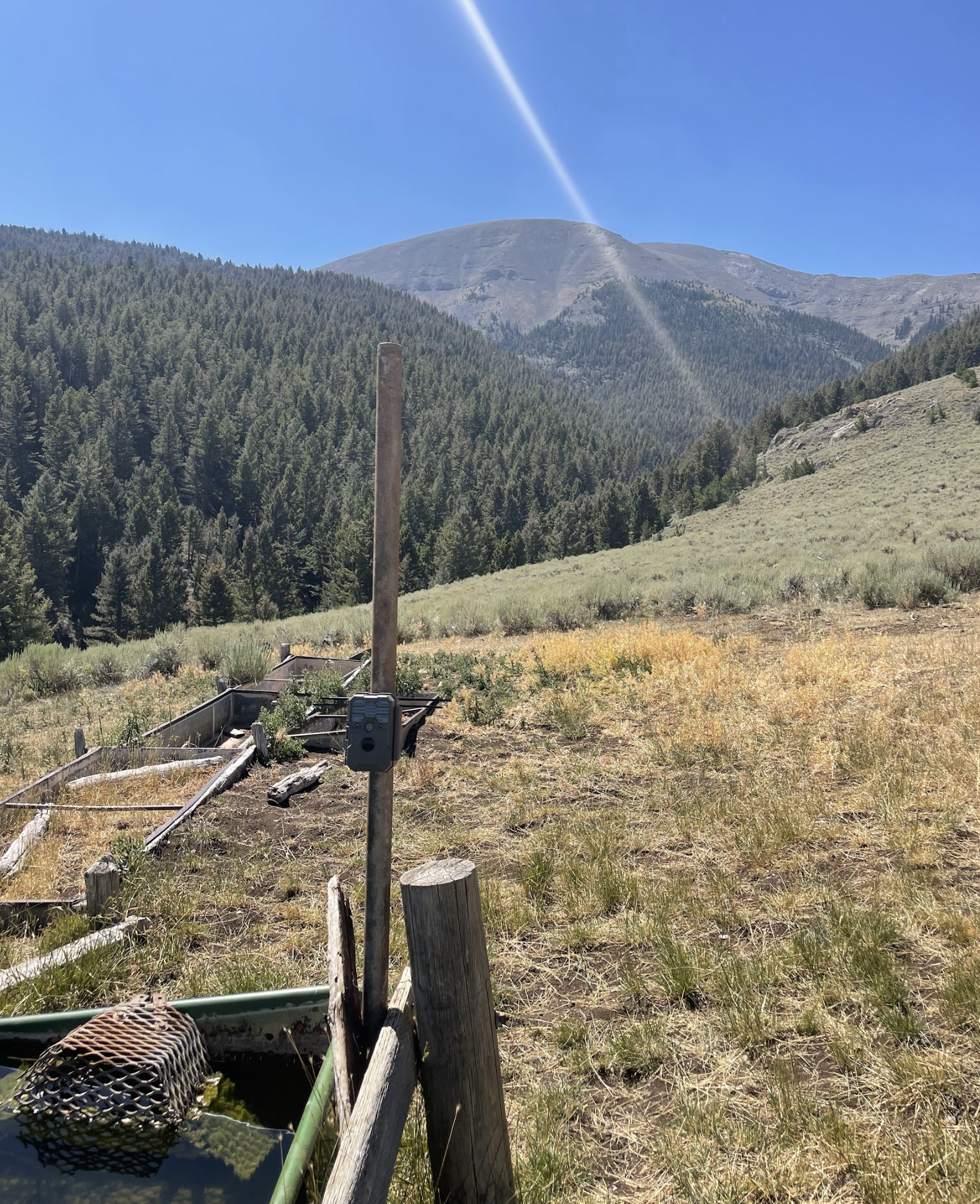
• Camera traps to track wildlife movement, behavior, and interaction with horses
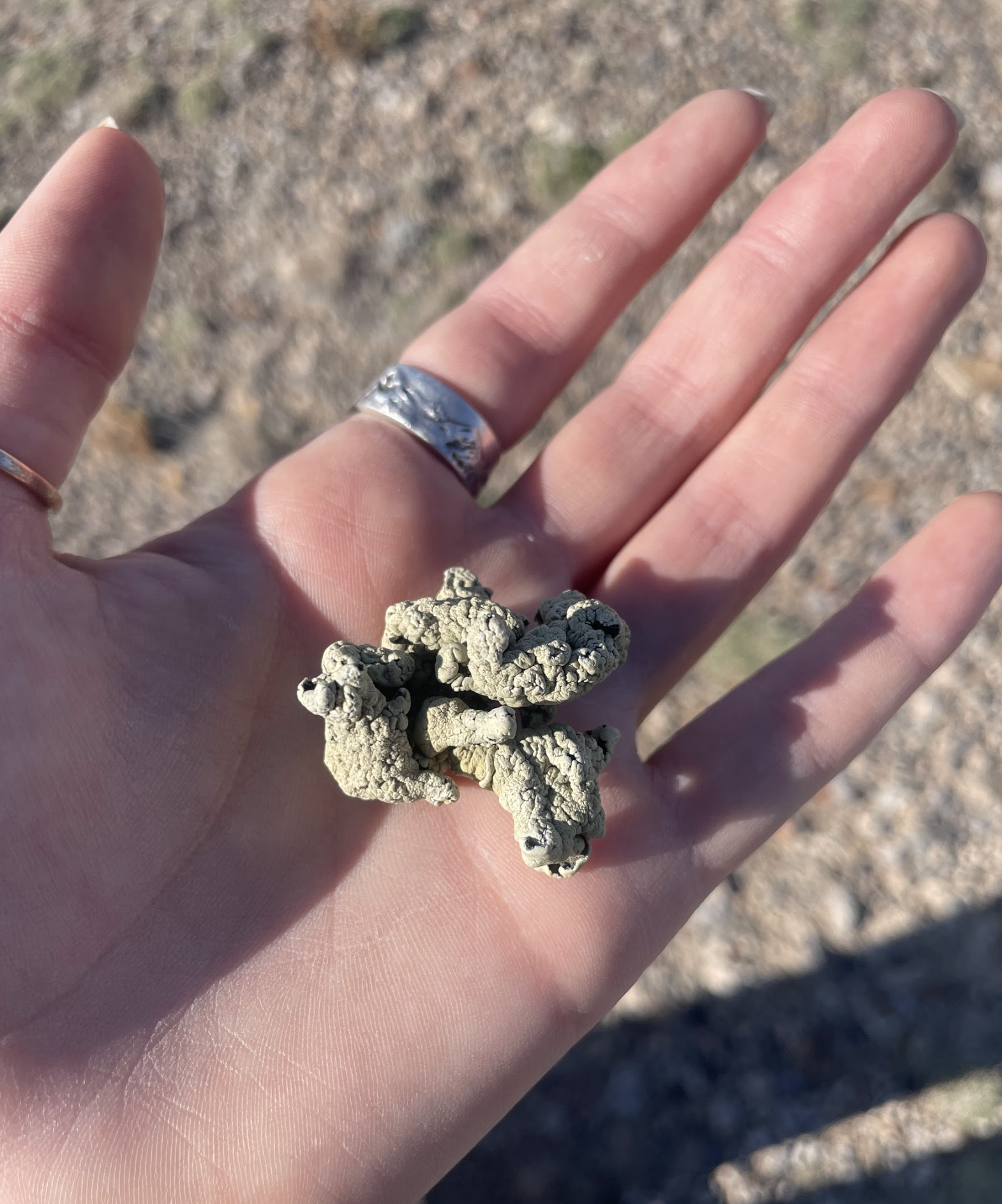
• Dung and soil sampling to assess nutrient cycling and herbivore impacts
• Measures of sensitive species like pygmy rabbits, sage-grouse, and endemic plants to assess rewilding impacts
• Compile wildlife movement data and roadkill data to better understand migration patterns and specific areas that are priority for conservation
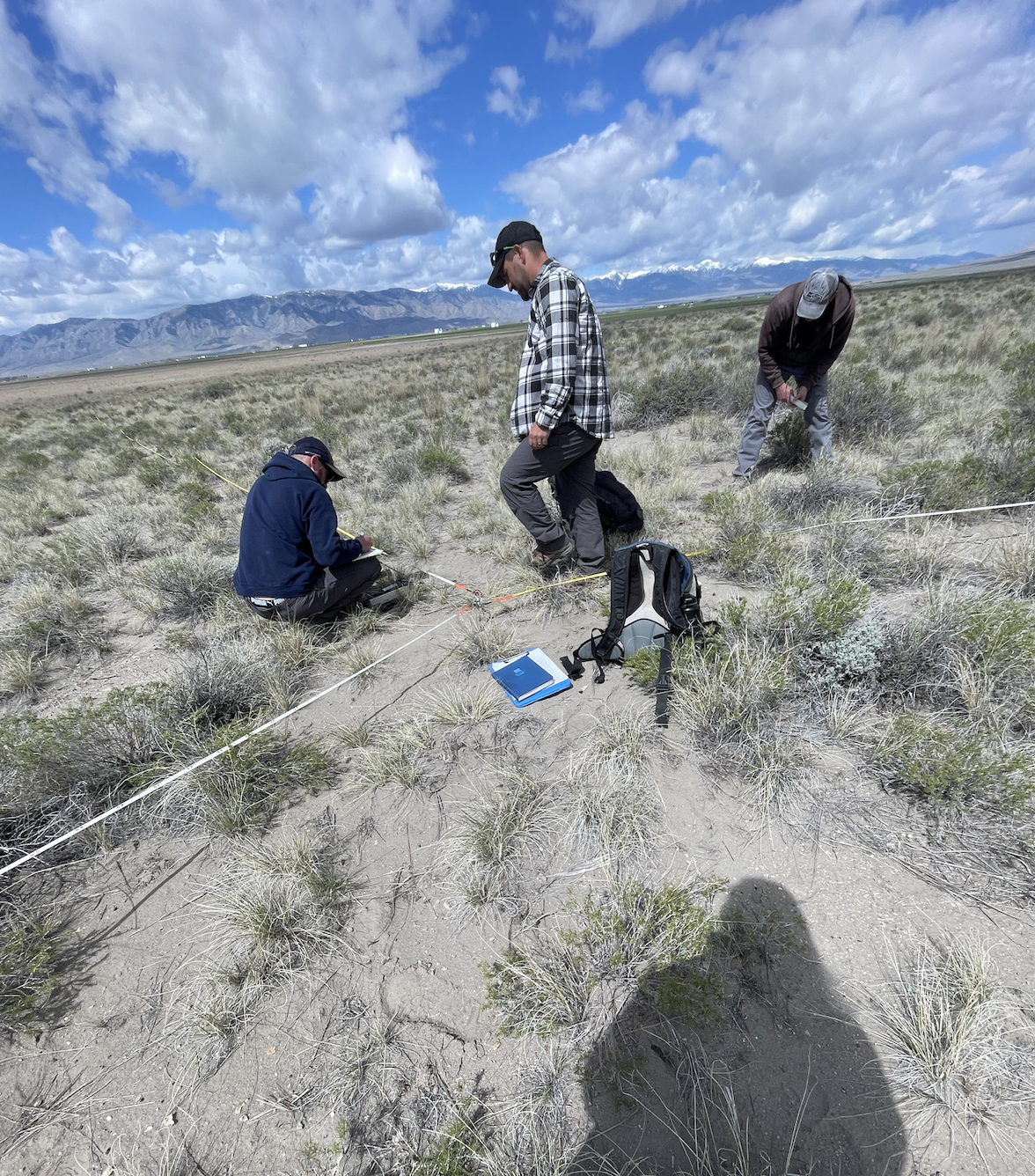
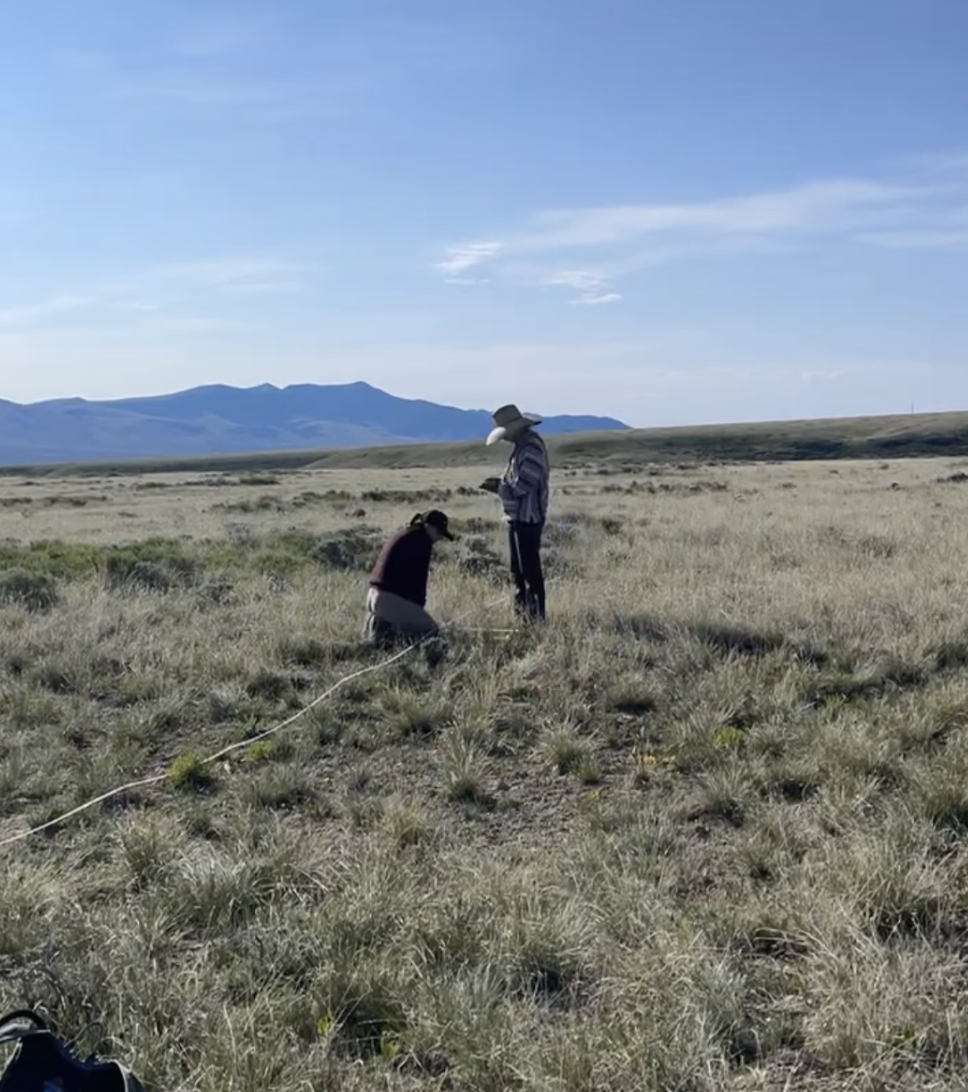
Performing a vegitation monitoring transect with the Bureau of Land Management Team.External and Internal Research
Both internal and external research play a vital role in advancing the Birch Creek Project.
Together, they make Birch Creek a center for science-led rewilding.
Internal research guides our day-to-day decision-making and on-the-ground actions.
External research brings in independent expertise, peer review, and broader credibility.
Potential research includes:
• Tracking horse, cattle, and wildlife movement to compare utilization and inform management
• Evaluating the success of coexistence strategies (e.g. predator-friendly ranching)
• Bring specialized expertise in fields like wildlife ecology, hydrology, animal behavior, and mrestoration science
• Conduct peer-reviewed studies that place our work within broader scientific and conservation conversations
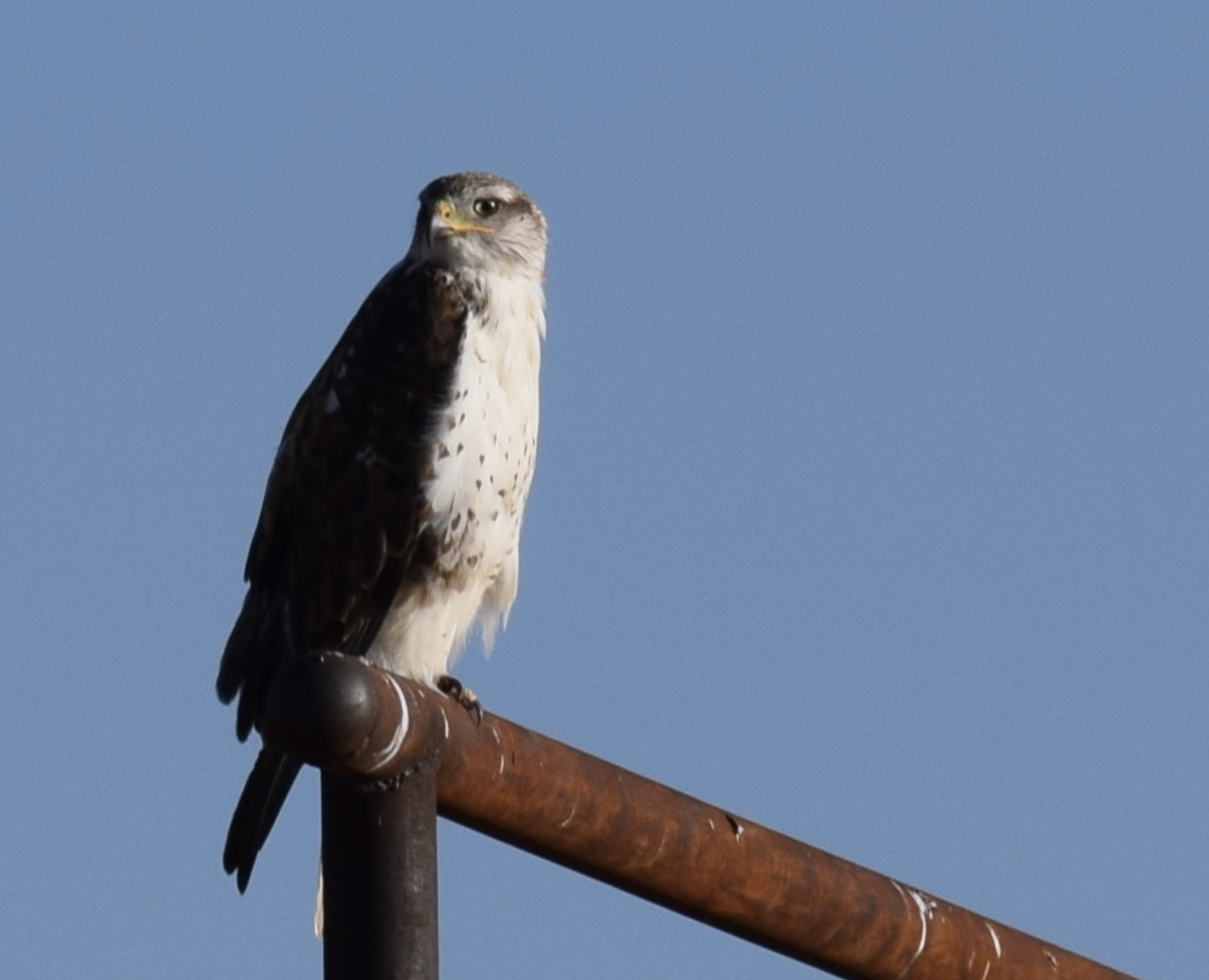
Horses are an important part of everything we do.
Native seeds, forbs, and grasses scattered from horseback on our base property — pressed into the soil with every step. No heavy machinery. No forced symmetry. Just hooves, movement, and time doing what they’ve always done.